-50%
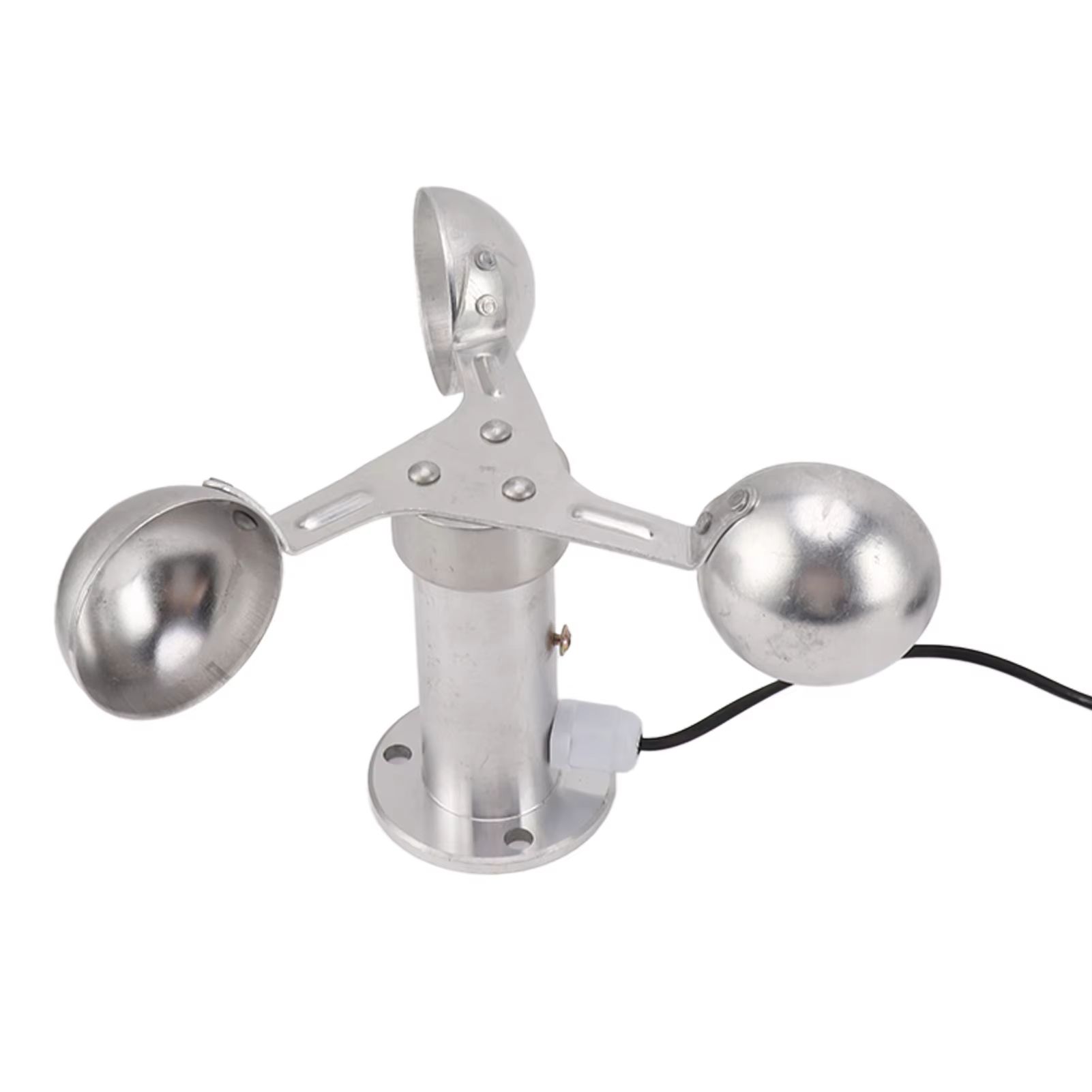
3-Cup Aluminum Wind Speed Sensor - Adjustable Wind Anemometer with 0-3.8 V Output for Weather & Environmental Monitoring
$89.99
$179.98
In Stock
Inspire Uplift
View Deal at Inspire Uplift
You'll be taken to the retailer's site to complete your purchase.
Harness accurate, realtime wind data with this 3Cup Aluminum Wind Speed Sensor. Built for reliability and precision, this wind measuring instrument converts air flow into rotation and outputs an analog signal (03.8 V), making it ideal for weather stations, environmental monitoring, farming, sailing, or homegrown DIY weather setups. Its durable construction and omnidirectional cup design ensure consistent wind speed readings regardless of wind direction perfect for those who need dependable wind data. Key Features Classic threecup design for 360 wind capture rotates smoothly in any wind direction. ecosentec.com+1 Aluminum alloy (or highstrength material) build for durability and stability, suitable for longterm outdoor use. Provides analog output (03.8 V), compatible with most data loggers, microcontrollers, or weather station units for easy integration. Lowfriction bearings improve sensitivity and allow detection of low to high wind speeds with good accuracy. walmart.com+1 Simple mounting fits standard 4 cm (1.6 in) mounting holes or poles for easy installation on rooftops, masts, or towers. walmart.com+1 Why Choose Our 3Cup Aluminum Wind Speed Sensor Unlike handheld or propbased devices, a cuptype anemometer offers robust, continuous measurement and works reliably in changing wind directions without needing realignment. codasensor.com+1 The analog voltage output means you can easily connect it to common datalogging or microcontroller systems for automatic wind monitoring. Its durable aluminum build and classic design make it a practical, longlasting sensor for hobbyist weather stations or more advanced environmental monitoring systems. Perfect For DIY weather stations for home, school, or farming use. Environmental monitoring agriculture, forestry, or air quality studies. Marine, sailing, or boat use where accurate wind data is needed. Windpowered projects, small wind turbines, or renewable energy tests. How to Use Mount the sensor on a pole or rooftop at sufficient height to avoid obstructions. Connect the analog output to your data logger or microcontroller. As the cups spin from wind, the sensor outputs a voltage between 0 and 3.8 V proportional to wind speed. Use calibration or conversion data to translate voltage readings into wind speed units (e.g., ms, kmh, mph).
| Store | Inspire Uplift |